

9 Best Marketing Strategies for SMBs in 2025 (Plus Top Tools)
Introduction
Marketing can feel like spinning plates. One minute it is content, the next it is ads, then analytics and sales follow-up. That is exactly why we built this guide on 9 Best Marketing Strategies for SMBs in 2025 (Plus Top Tools) to keep things simple and doable.
We meet owners every week who see big growth ahead but do not have time, budget, or help to sort out a plan. The tech stack keeps growing, channels keep shifting, and it is hard to know what to do first, especially with 9 top marketing trends of 2025 reshaping the landscape. Good news—great marketing in 2025 is not reserved for giant brands with giant budgets. With the right order of moves, small teams can win (and win faster than bigger competitors).
Here is what you will get from this article. We walk through nine proven strategies with clear “why” and “how,” plus tools that fit your budget. We also show where a partner helps you move from scattered tasks to a system using our Adapt–Integrate–Grow framework. Stick with us, and you will leave with a practical path you can start this week.
“Marketing is no longer about the stuff that you make, but about the stories you tell.” — Seth Godin
Strategy #1: Smart Reach Media – Your Enterprise-Level Marketing Partner
We built Smart Reach Media to be more than a vendor. We act like a true growth partner whose wins are tied to your wins. If you want the impact of a full marketing team without the payroll load, we are the first strategic “tool” to put in place.
Our Adapt–Integrate–Grow framework gives you a clear track to run on. We align your goals, plug in the right tech, and build repeatable plays that scale. That can include website best practices, social media plans, digital ads with real ROI, AI-assisted workflows, and content that moves people to act (not just scroll).
Most SMBs struggle with time, capacity, and the maze of platforms. We help you cut through that, set priorities, and execute. Think of us as your affordable alternative to an in-house department, with senior guidance baked in. If a steady, measurable marketing engine sounds better than random tasks, let’s talk about whether a partnership would give you an edge.
Strategy #2: Content Marketing – Build Authority Without Breaking the Bank

Content marketing starts with helping first. Instead of pushing a sale, we answer real questions your audience asks and publish those answers in formats they enjoy. Over time, that builds trust, steady traffic, and thoughtful leads.
This is where SMBs can stand toe-to-toe with bigger brands, leveraging digital marketing for small business to compete effectively without massive budgets. By focusing on helpful how-tos, local insights, and clear explanations, you compete on brains, not budget. The payoff includes search traffic that compounds, stronger trust, and a community that comes back for more.
Start simple:
-
Pick one or two formats you can keep up with (for example, a blog plus short videos).
-
Plan a realistic content calendar and focus on quality over volume.
-
Add a clear next step to every piece: subscribe, book a call, or grab a guide.
Helpful tools: Canva Pro polishes visuals, Grammarly Business keeps writing clean, and Notion keeps ideas and schedules organized. We often help clients map topics, write faster with AI assist, and keep a steady drumbeat that supports sales.
“The best marketing doesn’t feel like marketing.” — Tom Fishburne
Strategy #3: Search Engine Optimization (SEO) – Capture High-Intent Customers
SEO is how you earn visibility in search. When your pages match what people are trying to find, you show up at the right moment—when intent is high and clicks are worth more.
For SMBs, this is a smart advantage. You do not need to outspend bigger brands when you can outmatch them on relevance. Better rankings mean warmer traffic, more calls, and trust that comes from being seen near the top.
Focus on basics that move the needle:
-
Research long-tail keywords and match pages to those topics.
-
Improve titles and meta descriptions to boost clicks.
-
Make your site fast and easy to use on mobile.
-
Earn links by publishing content worth citing and getting listed in quality directories.
-
If you serve a local area, your Google Business Profile (GBP) is non-negotiable—complete it, post updates, and invite reviews.
Tools to consider: Ahrefs or Semrush help you plan and track, GA4 shows what converts, and Hotjar reveals friction on your pages. We bake SEO into your website plan so it supports every channel, not just search.
Strategy #4: Social Media Marketing – Meet Your Customers Where They Spend Time

Social media is more than posting, and understanding social media trends 2025 helps you stay ahead of platform shifts and audience behavior changes. It is a place to start conversations, show the people behind your brand, and turn happy buyers into fans who share your story.
The key for SMBs is focus, and research on the importance of social media marketing strategies for small businesses confirms that targeted approaches outperform scattered efforts. Pick the one or two platforms that fit your buyers best—LinkedIn for B2B pros, Instagram for visual brands, Facebook for local groups, or TikTok for fast, authentic clips. Then plan a simple mix: tips, behind-the-scenes moments, customer wins, and timely offers.
Keep replies fast and human, ask questions, and invite user posts with a clear hashtag. Try lightweight contests or short challenges to spark activity. Hootsuite or Buffer save time with scheduling, Canva Pro keeps your look consistent, and Meta Business Suite handles Facebook and Instagram in one place. We help you adapt by platform, set a cadence you can sustain, and connect content to leads and sales (because likes alone do not pay the bills).
“Content is fire, social media is gasoline.” — Jay Baer
Strategy #5: Email Marketing – Your Owned Communication Channel
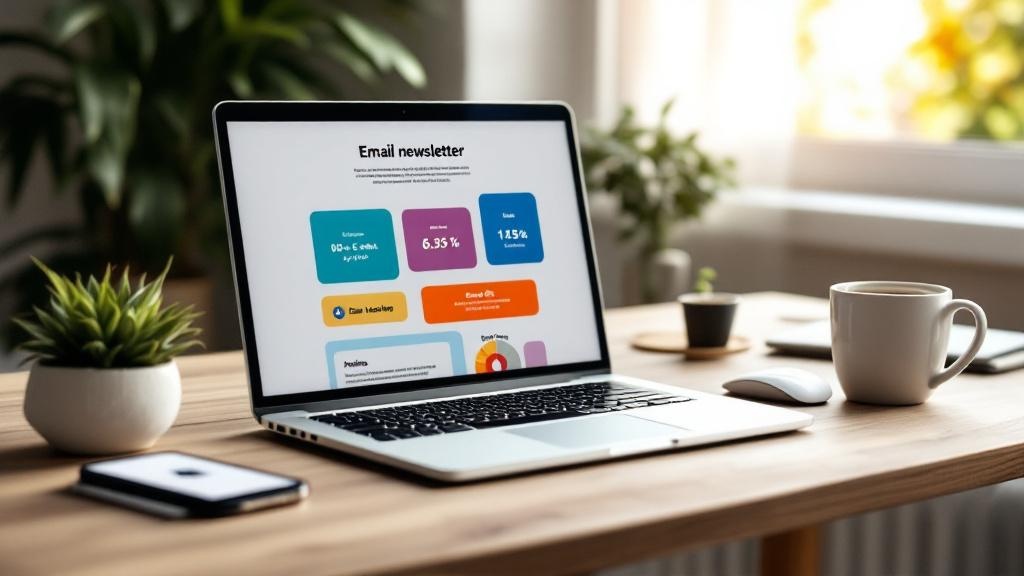
Email gives you a direct line to people who want to hear from you. You are not stuck behind shifting algorithms, and you can send timely, helpful notes that lead to real action.
To get rolling:
-
Launch a simple lead magnet and grow your list steadily.
-
Segment by interest or behavior so each message feels personal.
-
Build short welcome and follow-up sequences that teach, nudge, and invite a next step.
-
Keep subject lines short, the purpose clear, and the call to action obvious.
Tools that help: Mailchimp makes campaigns and automation easy, HubSpot CRM ties contacts to outcomes, and Typeform gathers leads with forms and quizzes people enjoy. We help you map the plan, write messages people open, and keep it all moving with minimal lift from your team.
“Email has an ability many channels don’t: creating valuable, personal touches—at scale.” — David Newman
Strategy #6: Pay-Per-Click (PPC) Advertising – Immediate, Targeted Traffic
PPC is the fast lane. You pay when someone clicks, and you can start seeing traffic within days. It is ideal when you want quick testing or have offers that convert well.
Pick your first channel based on your goal:
-
Google Ads catches people already searching for what you sell.
-
Social ads on Meta or LinkedIn find the right people by interest, job, or behavior—even if they are not searching yet.
Write clear ads, show a strong offer, and send clicks to a landing page that loads fast and matches the promise.
Then keep tuning:
-
Use negative keywords to block bad clicks.
-
A/B test new copy, images, and headlines.
-
Adjust bids and budgets as data comes in.
-
Shape audiences with exclusions and retargeting to improve quality.
Planning and reporting: Semrush helps with competitor ad research, while Google Ads and Meta Ads Manager handle build and reporting. If managing all that sounds heavy, we can run it with a clear ROI target.
“Half the money I spend on advertising is wasted; the trouble is I don’t know which half.” — John Wanamaker
Strategy #7: Local Marketing and Community Engagement – Own Your Geographic Market

If you serve a local area, you do not need the whole country. You need to be the easy first choice close to home. That happens online and in person, working together.
Start here:
-
Build out your Google Business Profile (GBP): add great photos, post updates, answer Q&A, and ask happy customers for reviews with a direct link.
-
Join your Chamber or a BNI group, and show up at community events.
-
Team up with nearby, non-competing businesses for cross-promos and giveaways.
-
Use local happenings—street fairs, farmers markets, and workshops—to put faces to names and build trust fast.
Helpful tools: BrightLocal helps manage listings and reviews across directories, while GBP remains the foundation for maps and local search. We connect these local moves to your broader plan so word-of-mouth and web traffic reinforce each other.
Strategy #8: Referral, Loyalty, and Affiliate Programs – Turn Customers Into Your Sales Force
Your happiest customers are your best marketers. When you make sharing easy and rewarding, word-of-mouth becomes a steady engine you can count on.
Build programs that work:
-
Create a simple referral flow with a “give-get” reward that feels fair to both sides.
-
Offer a loyalty program that fits your brand—points, tiers, or an easy punch-card style perk.
-
For affiliates, provide a clear commission, trackable links, and creative assets people can deploy quickly.
Automation options: ReferralCandy streamlines referral tracking and rewards, while Tapfiliate manages affiliate links and payouts. We help design the offer, set fair rules, and connect payouts to revenue so you see what works and scale the winners.
Strategy #9: Influencer and Partnership Marketing – Borrow Social Proof and Expand Reach
Influencers and partners help you reach the right people faster. Micro-influencers often deliver strong engagement at a price SMBs can handle, and partnerships open doors to warm audiences you both care about.
Make it effective:
-
Define success first—awareness, leads, or direct sales.
-
Find aligned creators by searching hashtags and locations; favor engagement over follower size.
-
Reach out with a personal note, give creative room, and track results with unique codes or links.
-
For partnerships, pick complementary, non-competing businesses and design a win-win like a joint webinar, co-branded guide, or cross-promo.
Management and tracking: AspireIQ or Grin can help manage influencer outreach, LinkedIn is great for partner discovery, and Zapier connects the tools you both use so leads move cleanly. We bring the tech and tracking together so each collab is easy to run and easy to measure.
“A brand is no longer what we tell the consumer it is—it’s what consumers tell each other it is.” — Scott Cook
Essential Tools to Power Your 2025 Marketing Strategy
Start with goals, then pick tools that fit your budget and stack, exploring the 15 best small business marketing automation options to streamline repetitive tasks.
-
All-in-one partner: Smart Reach Media
-
Analytics and insights: Google Analytics 4, Hotjar
-
Content and SEO: Ahrefs or Semrush, Canva Pro, Grammarly Business, Notion
-
Email and CRM: Mailchimp, HubSpot CRM, Typeform
-
Social media: Hootsuite, Buffer, Meta Business Suite
-
Advertising: Google Ads, Meta Ads Manager
-
Local marketing: Google Business Profile (GBP), BrightLocal
-
Referral and advocacy: ReferralCandy, Tapfiliate
-
Collaboration: LinkedIn, Zapier
Key Takeaways
Before you try everything, pick a few moves and build momentum by staying informed about 9 top marketing trends that shape strategic priorities for the year ahead. These ideas compound when stacked together, which is why our Adapt–Integrate–Grow framework keeps the steps clear.
-
Focus beats frenzy. Choose two or three strategies that match your goals and audience, then commit to a simple cadence you can keep. Tie every tactic to one clear action, track results, and trim anything that stalls. Small, steady wins add up faster than random big swings.
-
Think systems, not stunts. Content feeds SEO, email nurtures traffic, and PPC tests offers quickly. Local efforts boost reviews, which boost search, which boosts leads. When each channel supports the others, you get compounding gains and less guesswork (and less waste).
Conclusion
SMBs can win big with the right mix of plays and a clear order of operations. You do not need every channel, just the right ones, working together. Start lean, aim for steady progress, and track what moves revenue.
We built Smart Reach Media to make this easy. Our Adapt–Integrate–Grow framework turns these nine plays into a simple, repeatable plan. If you want help choosing the first steps and wiring the tech, we would love to be that partner.
Ready to find the moves that fit your goals? Reach out for a quick consult, and we will map the 9 Best Marketing Strategies for SMBs in 2025 (Plus Top Tools) to your business stage.
FAQs
Question 1: What’s the Most Cost-Effective Marketing Strategy for a Small Business Just Starting Out?
Start with content and SEO since time matters more than money here. Add one primary social channel for reach. Begin building your email list on day one (even a simple lead magnet helps).
Question 2: How Do I Know Which Marketing Strategies to Prioritize for My Business?
Begin with your goals—fast sales or steady brand growth. Match channels to where buyers spend time. Local firms should emphasize GBP and community, B2B pairs well with LinkedIn and email, and we can build your roadmap.
Question 3: Can a Small Business Really Compete With Larger Companies in Digital Marketing?
Yes, with smart focus and speed. Relevance, helpful content, and niche targeting beat big ad budgets. SMBs move faster, act human, and connect locally, which wins trust and steady referrals.
Question 4: How Long Does It Take to See Results From These Marketing Strategies?
PPC can show movement in days. Social and email often gain traction within one to three months of consistent effort. SEO and content usually compound over three to six months (quality and consistency matter most).
Question 5: Do I Need to Hire a Full Marketing Team, or Can I Do This Myself?
Many owners start solo, but it can drain time and money. A partner like Smart Reach Media gives expert guidance without full-time overhead. We act like an extension of your team and keep it manageable.