

SMB Digital Marketing Strategy 2025: A Step-by-Step Success Plan
Introduction
A good plan feels like a map on a foggy road. That is why an SMB Digital Marketing Strategy 2025: A Step-by-Step Success Plan matters more than ever. The online market moves fast, budgets feel tight, and time feels even tighter. Random posts and ad bursts do not add up to steady growth, and guesswork gets expensive.
We built this guide to make the complex feel manageable. In 2025, success favors a strategic, focused plan tied to clear goals and reliable data. You do not need a big team to win online. You need a tight plan, the right tools, and a partner who makes it all work day to day.
At Smart Reach Media, we follow our Adapt‑Integrate‑Grow framework to help small teams act with big‑company clarity. Read on for practical steps you can use now, plus where we plug in to help. You will leave with a plan you can follow and the confidence to move. We are in this with you.
Building Your Foundation: Goals, Audience, and Current State Assessment

Marketing without a plan drains time and money, which is why learning how to build a powerful SMB marketing strategy from scratch is essential for 2025 success. We start by setting SMART goals so progress is clear and trackable. When goals are specific, every task gets easier to prioritize.
-
Set measurable targets, such as “raise online sales by 15 percent in six months” or “add 50 qualified leads per quarter.”
-
Define your audience: Who are your best buyers, what do they need, and where do they spend time online? Use customer interviews, CRM notes, and quick polls to surface pain points and triggers.
-
Run a light digital audit across:
-
Site speed, mobile experience, and accessibility
-
Baseline SEO rankings and crawl health
-
Social engagement and content gaps
-
Competitor moves and messaging
-
This step can feel tedious, but it multiplies the payoff of everything that follows.
Your Website: The Hub of Everything Digital
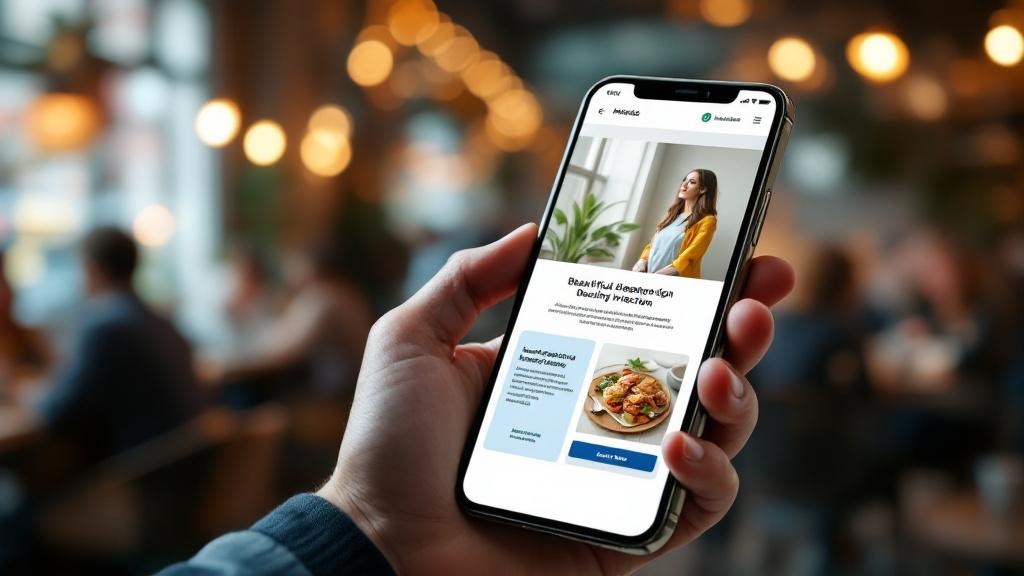
Your site is your 24/7 storefront and the center of your SMB Digital Marketing Strategy 2025. Mobile‑first is non‑negotiable, since most visits come from phones. Core Web Vitals boil down to fast load, quick interaction, and steady page layout. When pages feel snappy, conversions rise.
Make the path simple and trustworthy:
-
Use clear next steps, short forms, and visible trust signals (reviews, badges, and secure checkout).
-
Use HTTPS and add schema markup so search engines understand your content.
-
Map each page to a single purpose with a primary CTA.
If this feels heavy, we get it. Smart Reach Media brings enterprise website tactics to SMB budgets, so your site looks sharp and performs like a pro.
SEO: Getting Found When It Matters Most
SEO brings steady, high‑intent traffic without paying per click. Start with keyword research using tools like Google Keyword Planner, SEMrush, or Ahrefs. Mix broader phrases with long‑tail keywords that match how people search and speak. A local service might target “plumber near me” plus “water heater repair cost in Austin.”
On‑page basics that move the needle:
-
Write clear titles and meta descriptions.
-
Organize pages with headings.
-
Add keywords naturally in helpful content.
-
Keep your site fast, secure, and easy to crawl.
Local SEO is a must for service areas:
-
Fully complete your Google Business Profile.
-
Add fresh photos, post updates, and reply to every review.
-
Create content that earns links, and answer questions in conversational language for voice search.
SEO builds over months, then compounds.
Content Marketing: Building Trust and Authority

Content is not “more stuff.” It is answers to real questions. When your content solves problems, trust rises and sales follow. Short‑form video leads attention in 2025, and you do not need studio gear. A phone, clear audio, and a tight hook can deliver how‑tos, tips, and quick demos that drive action.
Balance that with long‑form guides that anchor your expertise and fuel SEO. Add blogs, infographics, and maybe a simple podcast if it fits your audience. Use AI tools like ChatGPT or Jasper for idea sparks and drafts, then add your voice and proof. Build a simple content calendar and repurpose one strong piece into clips, posts, and emails.
“Good content isn’t about good storytelling. It’s about telling a true story well.” — Ann Handley
If time is tight, we co‑build your plan and produce with you so the work feels doable.
Social Media: Connecting Authentically With Your Community

You do not need every platform—research on digital marketing adoption and success for small businesses shows that focused effort on the right channels delivers better results than scattered presence everywhere. Choose one or two where your buyers talk, and go deep. Show real people, behind‑the‑scenes moments, and quick wins for customers. Ask questions, reply fast, and feature user content to build community that lasts.
Tie in social commerce where it fits. Instagram Shopping, TikTok Shop, and Facebook Shops cut clicks and boost impulse buys. Start by:
-
Adding a product catalog and accurate inventory
-
Posting clear photos or quick videos, and tagging products
-
Using a plain call to action
Paid social can help you reach the right people with modest budgets. Batch content, schedule ahead, and block time for replies. We can run the calendar and keep your presence steady while you run the business.
Email Marketing: Your Direct Line to Customers
Email delivers one of the best ROIs in your plan. Build your list with real value, like a helpful guide, a small discount, or early access. Quality beats size, since engaged readers buy and refer.
-
Segment by interest or past actions for relevant messaging.
-
Set up essential flows: welcome series, abandoned cart nudges, and win‑back notes.
-
Keep emails mobile‑friendly with short copy, clear subject lines, and one obvious button.
-
Respect privacy: stick to GDPR and CCPA rules with clear consent and easy opt‑outs.
-
Share community stories and local notes for neighborhood brands.
Paid Advertising: Strategic Investment for Immediate Results
Paid ads add speed while organic channels build. Use search ads on Google or Bing to capture high‑intent buyers at the moment of need. Use social ads on Facebook, Instagram, or LinkedIn to reach precise audiences by role, interests, or behaviors.
-
Track conversions, not just clicks.
-
Use remarketing to re‑invite visitors who did not act on their first visit.
-
Start small, learn fast, and scale what works.
-
Modern platforms use AI to optimize bids and placements, which helps smaller budgets go further.
“Half the money I spend on advertising is wasted; the trouble is I don’t know which half.” — John Wanamaker
Set realistic expectations, since testing is part of the process. We manage budgets with a tight feedback loop so every dollar works harder.
Using AI and Automation for Competitive Advantage
AI is a practical tool, not a sci‑fi project, and understanding how AI/ML can boost business operations helps small teams compete with larger competitors without expanding headcount. We use it to cut busywork, personalize at scale, and target with better accuracy. Think automated lead sorting, faster first replies, and messages that match each person’s behavior. Most people now expect brands to know their preferences, and AI helps you meet that bar.
We see gains across content, chat, and email. One apparel shop we guided added an AI chatbot for product help and service questions and saw roughly a 40 percent lift in sales within a quarter. Use AI for drafts, subject line tests, send‑time tweaks, and next‑best‑offer logic. It does not replace your voice. It gives you time to be more present where it counts. Smart Reach Media sets up the tools and automations so they feel simple, not scary.
Data-Driven Decisions: Measuring What Matters

Guesswork is expensive. Data shows what to keep, fix, or stop. Pick KPIs tied to your goals, like traffic, conversion rate, cost per lead, and return on ad spend. Then track them with GA4, Search Console, native social analytics, and a CRM like HubSpot or Zoho.
“What gets measured gets managed.” — often attributed to Peter Drucker
Review results on a set rhythm. Look for trends, not one‑day spikes. Run simple A/B tests on subject lines, CTAs, and landing page layouts. Keep the “monitor, analyze, optimize” loop running. When the numbers say a tactic works, lean in. When they do not, adjust fast. We turn dashboards into plain next steps.
Key Trends Shaping Success in 2025
Trends are chances to sharpen your plan, not reasons to chase every new thing. Omnichannel means a smooth experience from site to social to store, with consistent offers and a conversation that can move from chat to email without a reset. That builds confidence and repeat sales.
Privacy rules keep growing, and that is a good thing for trust. Shift toward first‑party data and zero‑party data that people share with consent. Simple, clear notices and preference centers help. Purpose also matters. Share real steps like eco‑friendly packaging or local support. A café that switched to biodegradable packaging and told that story saw a lift in loyalty. Add voice search‑style Q&A to your content and keep personalization steady across touchpoints.
Common Pitfalls and How to Avoid Them
Most missteps start with no clear plan. Others include:
-
A slow, clunky mobile site that kills conversions
-
Treating SEO as an afterthought
-
Not measuring results or ignoring insights
-
Inconsistent branding across channels
-
Relying on one channel and getting hit by algorithm shifts
-
Skipping privacy basics, which damages trust and can trigger fines
-
Spreading time across every platform
-
Expecting instant returns from long‑term efforts
We help you sidestep these traps with a clear plan, faster site, steady SEO, clean data, and focused execution.
Your Step-by-Step Action Plan for Implementation
Here is a simple path we use with clients, following proven principles of how to start a business with a solid marketing foundation:
-
Set SMART goals and write personas for your top buyer types.
-
Audit your website, SEO, social presence, and competitors to find quick wins and gaps.
-
Choose a few channels that match your audience and goals instead of trying everything at once.
-
Build a content plan you can keep, then repurpose every strong piece across formats.
-
Upgrade your site for speed, mobile, and conversions with clear CTAs and short forms.
-
Launch campaigns and stay consistent with a weekly cadence.
-
Review KPIs, run small tests, and refine each month.
Most see early paid wins in weeks, content traction in a few months, and SEO gains in three to six months. We guide this rhythm with our Adapt‑Integrate‑Grow framework.
Essential Tools for Your 2025 Marketing Toolkit
The right tools save time and raise quality without draining budget.
-
Content: ChatGPT, Jasper, Grammarly for ideation and polish
-
SEO and Analytics: GA4, Search Console, SEMrush, Ahrefs to see what to fix and what to rank for
-
Social Scheduling: Hootsuite, Buffer, Sprout Social to stay consistent
-
Email: Mailchimp, ConvertKit, or HubSpot to automate welcome series and follow‑ups
-
CRM: HubSpot or Zoho to connect touchpoints so sales do not miss a beat
-
Project Flow: Asana or Trello to keep tasks on track
Many offer free or low‑cost plans. We connect your stack so data flows and you work in fewer tabs.
How Smart Reach Media Empowers Your Digital Success
You can use this plan on your own, but doing it alone feels heavy. We built Smart Reach Media to give SMBs an affordable partner that acts like a full marketing team without the overhead. Our Adapt‑Integrate‑Grow framework turns strategy into repeatable action and clear results.
We cover websites, SEO, content, social, paid ads, analytics, and AI setup. We bring enterprise‑level tools to small teams and make them easy to run. Our model aligns us with your outcomes, so we move with you, not above you. If you want a calm, practical way to grow, book a friendly strategy session. No pressure, just clear next steps and a plan you can trust.
Key Takeaways
-
A clear, simple strategy beats random activity every time.
-
Pick goals, know your audience, and build a fast, mobile‑first site that guides people to act.
-
Use SEO and helpful content to earn attention, then add paid ads for speed when needed.
-
Keep email close to build loyalty and repeat sales.
-
Use AI to cut busywork and personalize, and let data tell you what to keep or change.
-
Start small, stay consistent, and stack wins over time. With Smart Reach Media, sophisticated marketing fits a small team and budget.
Conclusion
A full strategy can look big on paper, and that is normal. Growth comes from focused steps done in sequence, not from trying everything at once. Your SMB Digital Marketing Strategy 2025: A Step-by-Step Success Plan gives you that sequence and a calm way to move.
You have more tools within reach than ever, and you do not have to go it alone. We partner with you to plan, build, and optimize, so progress feels steady and the numbers keep improving. Pick one or two high‑impact steps from this guide and start this week. If you want a partner by your side, Smart Reach Media is ready to help you grow with confidence.
FAQs
How Much Should a Small Business Budget for Digital Marketing in 2025?
A common guideline for growing SMBs is 7 to 12 percent of revenue, with higher spend for new markets or launches. Very small budgets can start at 500 to 1,000 dollars per month and focus on one or two channels plus a fast site. Spread spend across website upgrades, SEO, content, and a modest test budget for paid. Consistency over months beats big one‑time spend. We shape plans around your goals and resources and focus on ROI, not arbitrary percentages.
How Long Does It Take to See Results from Digital Marketing Efforts?
Paid search and paid social can show early wins within days or weeks, especially for high‑intent keywords or strong offers. SEO often takes three to six months to build momentum, and content programs tend to hit stride in four to eight months. Early on, expect testing and tuning. Track leading indicators like click‑through rate, time on page, and micro‑conversions to guide adjustments. Patience here is not waiting; it is steady progress with data.
Do I Need to Be on Every Social Media Platform?
No. A focused presence on one or two platforms where your buyers engage beats scattered posting everywhere. Choose based on your audience, your content strengths, and where you can stay active. Depth builds community and trust, which drives referrals and sales. We help you pick the right channels and set a cadence you can keep.
Can AI Really Help My Small Business Compete with Larger Companies?
Yes. AI puts big‑company capabilities within reach, from instant replies and smarter targeting to faster content workflows. You can personalize emails, predict next‑best offers, and support shoppers with chat without a huge team. Many tools are affordable or free to start. We have seen a local retailer lift sales by about 40 percent after adding a helpful chatbot. With the right partner, setup is straightforward and aligned with your goals.
What If I Don’t Have Time to Manage All of This?
That is the most common concern we hear, and it makes sense. Your time belongs on service, sales, and operations. This is why partnerships like Smart Reach Media exist. We act as your external marketing department, so you avoid hiring costs and avoid the missed revenue of DIY delays. You stay in control of goals and approvals while we handle execution and optimization. That balance speeds results and gives you time back.